
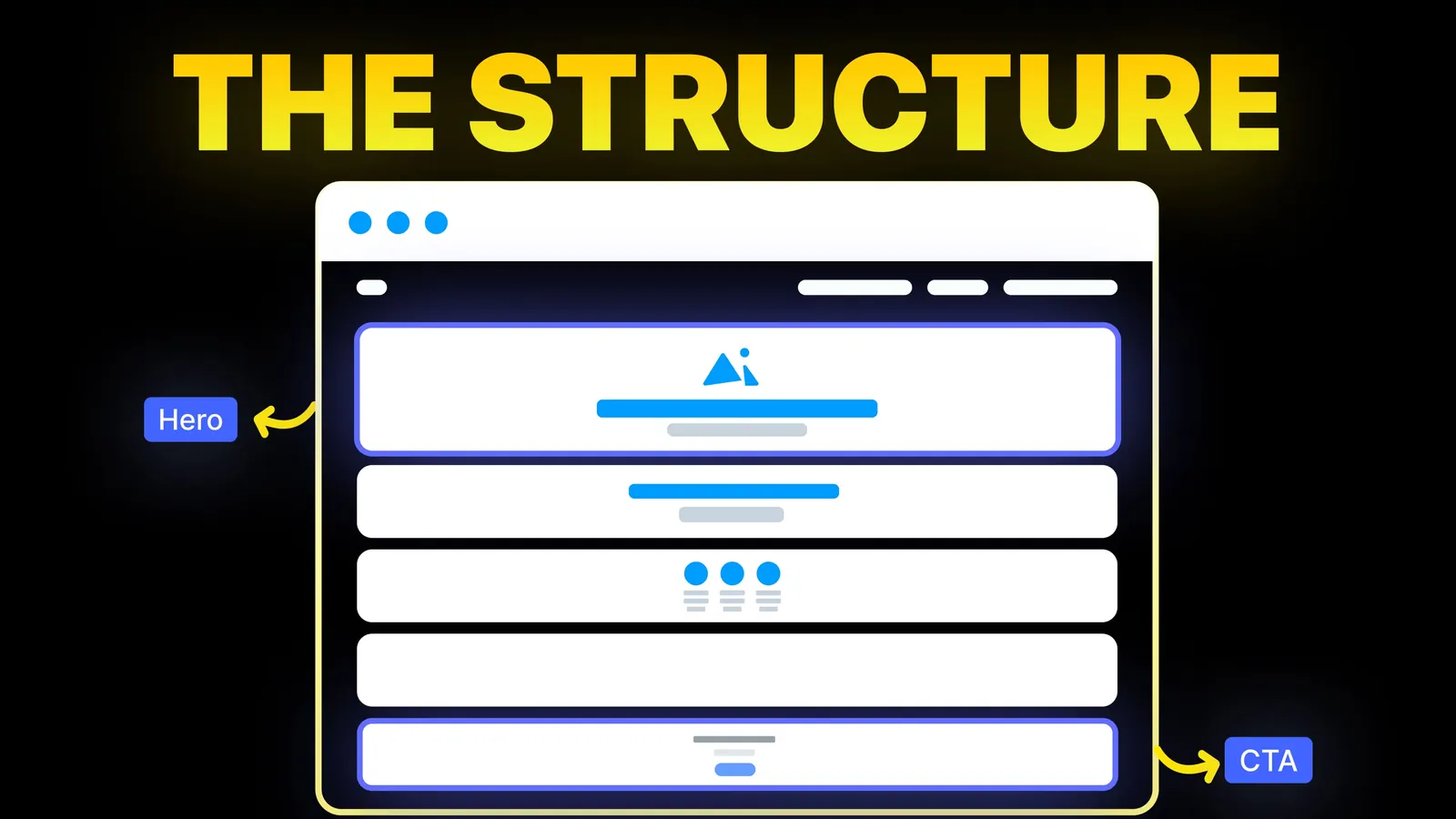
How to Turn Your Website Into a High-Converting Sales Machine
The structure behind a website that sells: the five decisions that carry conversion, the homepage section order, and how to rebuild without losing traffic.
Conversion
The discipline from the ground up: what a conversion is, the tracking to set up first, how to choose what to fix, and how to read a result honestly.
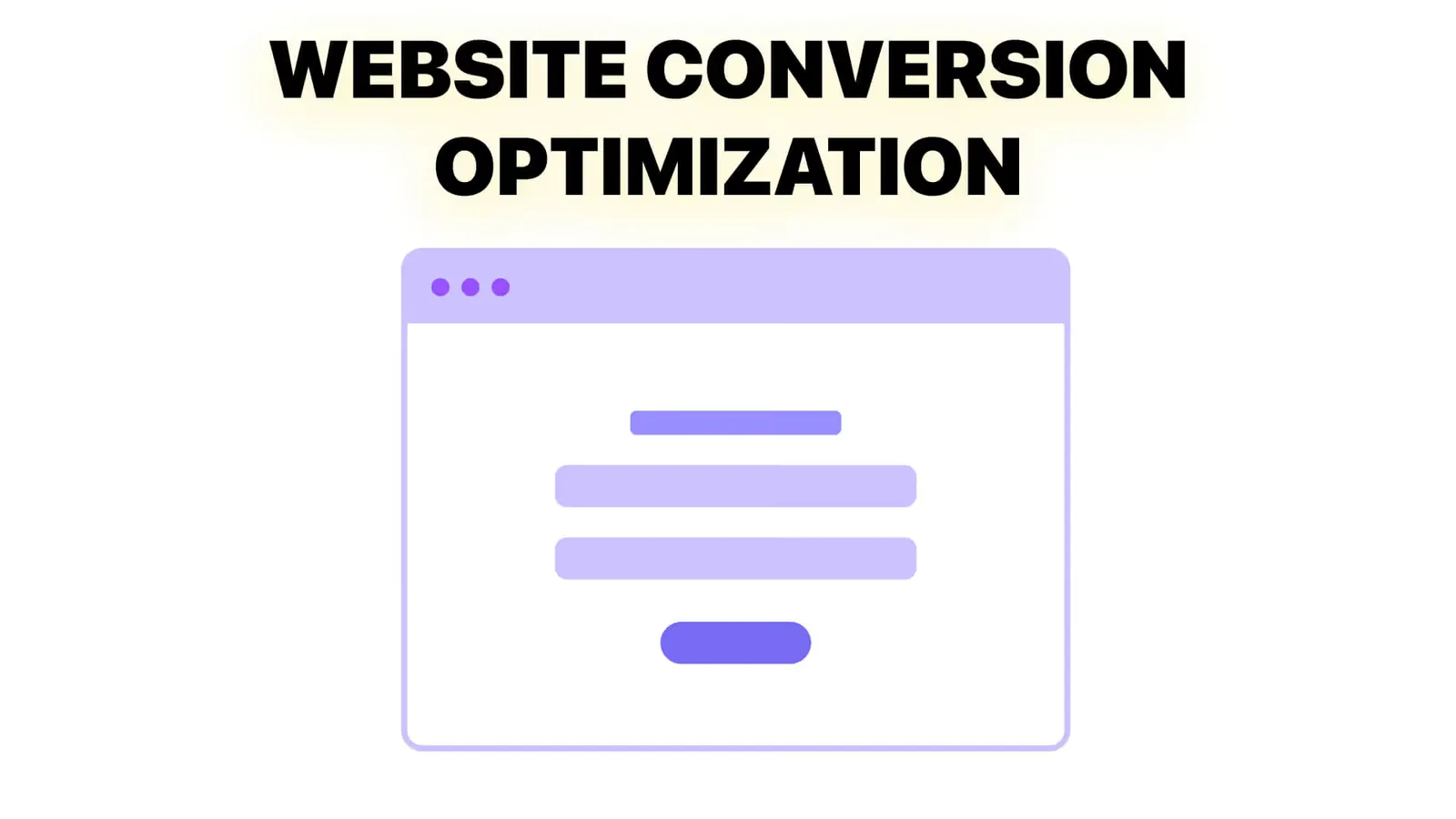
Conversion optimization, often shortened to CRO, is the practice of increasing the share of visitors who do the thing a page exists for. It is not a bag of tricks. It is a loop: measure what happens, find where people drop off, change one thing for a reason, and measure again.
If you already know your site is underperforming and want to find the cause, why your website is not converting is the diagnostic version. This guide is the foundation underneath it: the setup, the vocabulary and the habits.
| Term | Plain meaning |
|---|---|
| Conversion | The action a page is built for: an enquiry, a sign-up, a purchase |
| Conversion rate | Conversions divided by visitors, for a page or a period |
| Micro conversion | A smaller step toward the main one, such as a pricing page view |
| Funnel | The sequence of pages or steps people pass through before converting |
| Drop-off | The point in that sequence where people leave |
| Baseline | Your numbers before a change, so you can tell what the change did |
| Test | A controlled change, ideally with a comparison group |
Every page needs one primary conversion. For a service business it is usually an enquiry or a booked call. For software, a trial or a demo. For a shop, a purchase. Write it down per page type, because a blog post and a pricing page should not be judged by the same number.
Then list the micro conversions that lead to it: viewing pricing, reading a case study, starting a form. These tell you where interest is building or dying.
Before changing anything, make sure the numbers are real.
Look for the biggest drop between two steps. If many people see the pricing page and few start the form, the pricing page is the problem. If few people ever reach pricing, the problem is earlier.
Three sources help:
You will find more problems than you can fix. Score each candidate simply:
| Question | Score 1 to 3 |
|---|---|
| How many visitors does it affect? | Reach |
| How big is the likely effect? | Impact |
| How easy is it to change? | Effort, reversed |
Start with high reach, high impact, low effort. In practice that is usually the headline, the call to action, proof placement and the form, which is why those appear in almost every audit. What each of those should look like is in landing page structure that actually converts and hero section design.
Many business sites do not have the traffic for formal testing. That is fine. Make bigger, well-reasoned structural changes, judge them on enquiry quality and sales conversations, and use recordings and customer interviews instead of statistics. Most of the gains on smaller sites come from clarity rather than from testing button colours.
If you would rather hand the whole loop to someone, that is our website optimization service, and the bigger version of the same thinking is laid out in how to turn your website into a high converting sales machine.
There is no universal answer, because offer, price and traffic differ so much. Compare your site against its own baseline and trend rather than against published averages.
Analytics with event tracking, a heatmap and recording tool, and a spreadsheet for your change log. Formal testing software can wait until you have the traffic for it.
At least two full weeks, and longer on lower traffic. Stopping a test early because it looks good is the most common way to fool yourself.
No. Any site with a desired action, an enquiry, a booking, a sign-up, can use the same loop.
You can, but you will not know which part helped. Take a baseline before the redesign, launch, then optimise the new site one change at a time. To decide between the two, run the redesign tests first.

The structure behind a website that sells: the five decisions that carry conversion, the homepage section order, and how to rebuild without losing traffic.
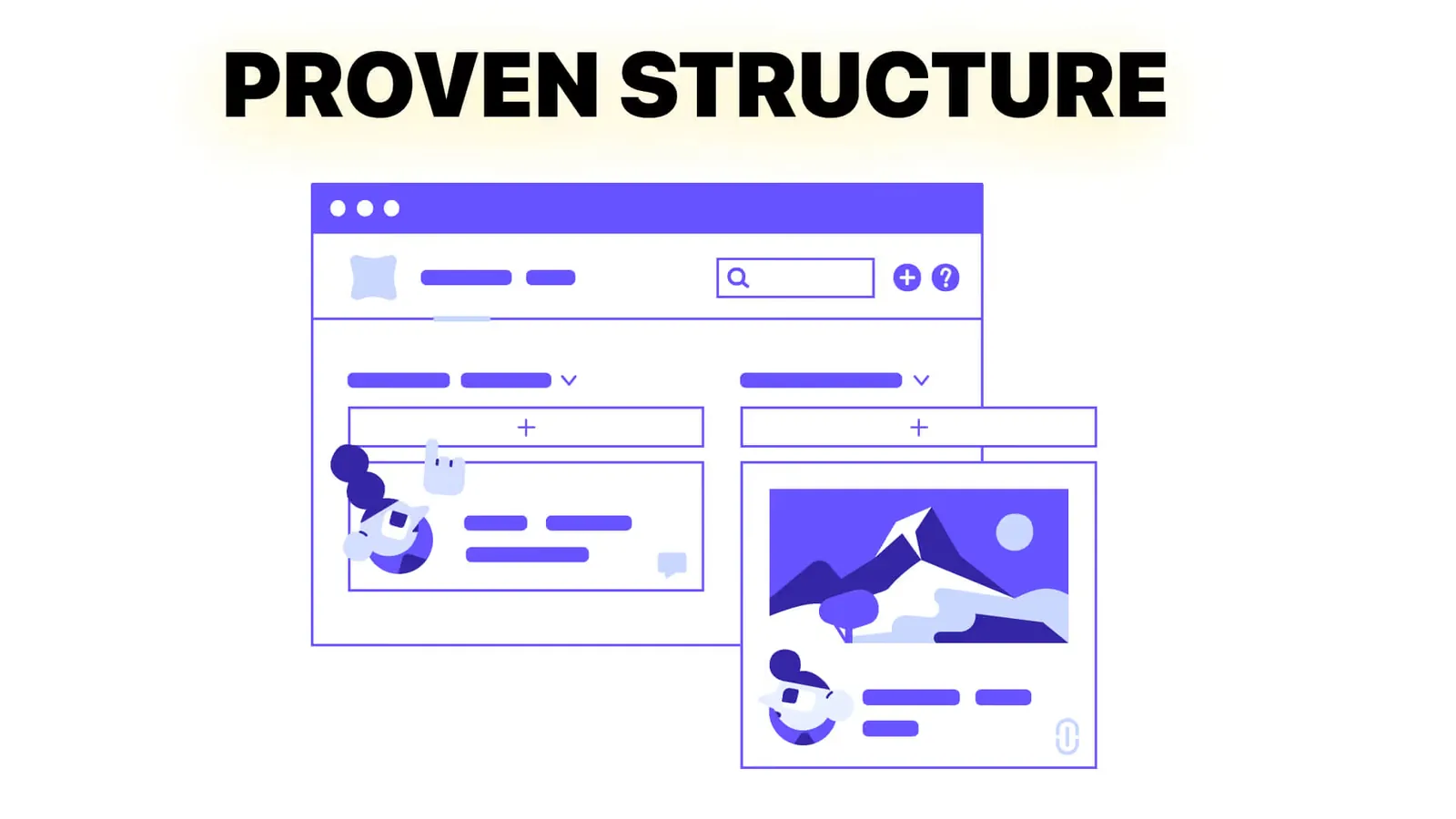
The anatomy of a landing page, section by section: what each block has to prove, the order that matches how people decide, and how to know a section is failing.
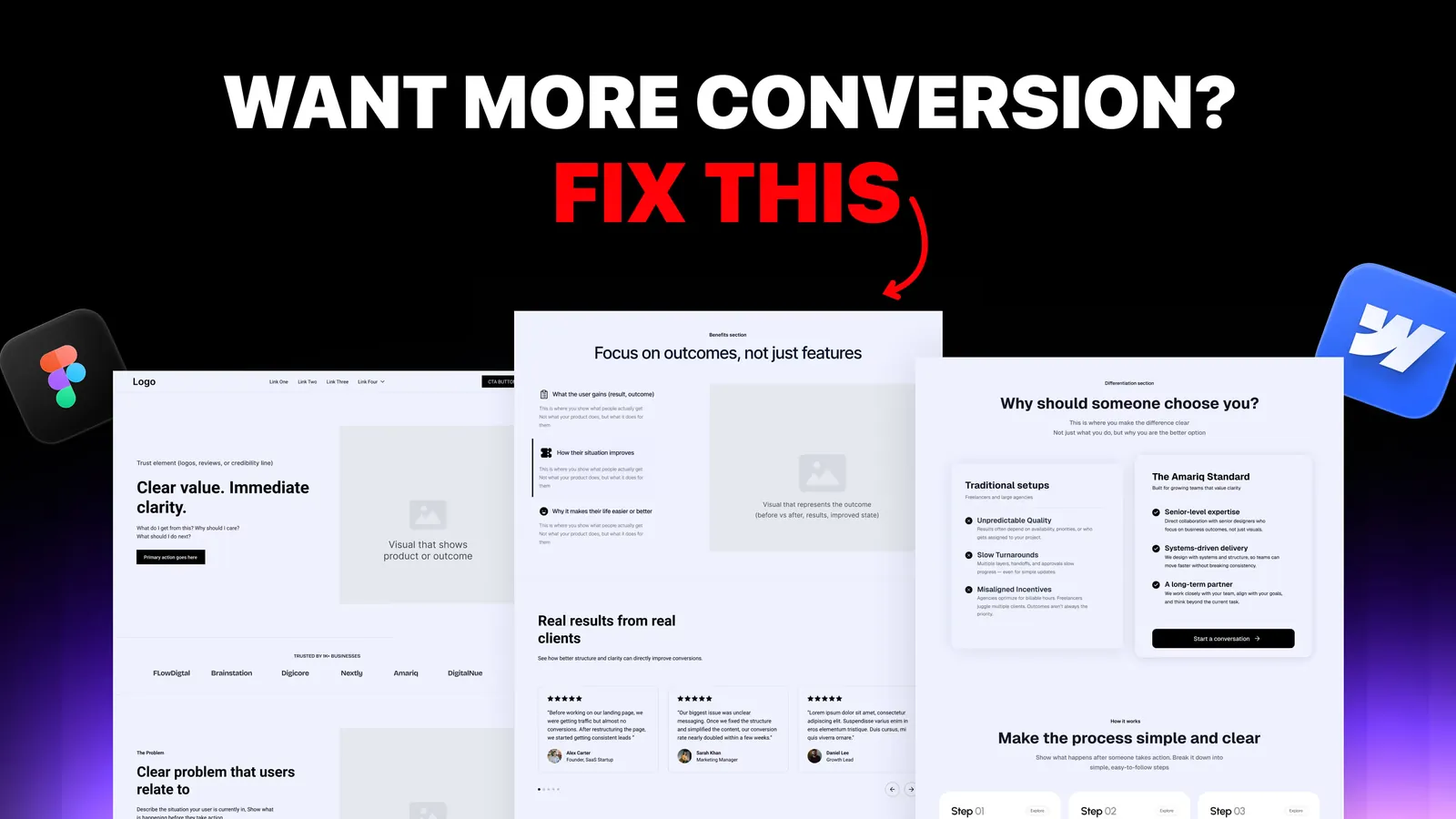
The production process for a landing page that converts: research, message, wireframe, copy, design, build and the first test, in the order that saves rework.