
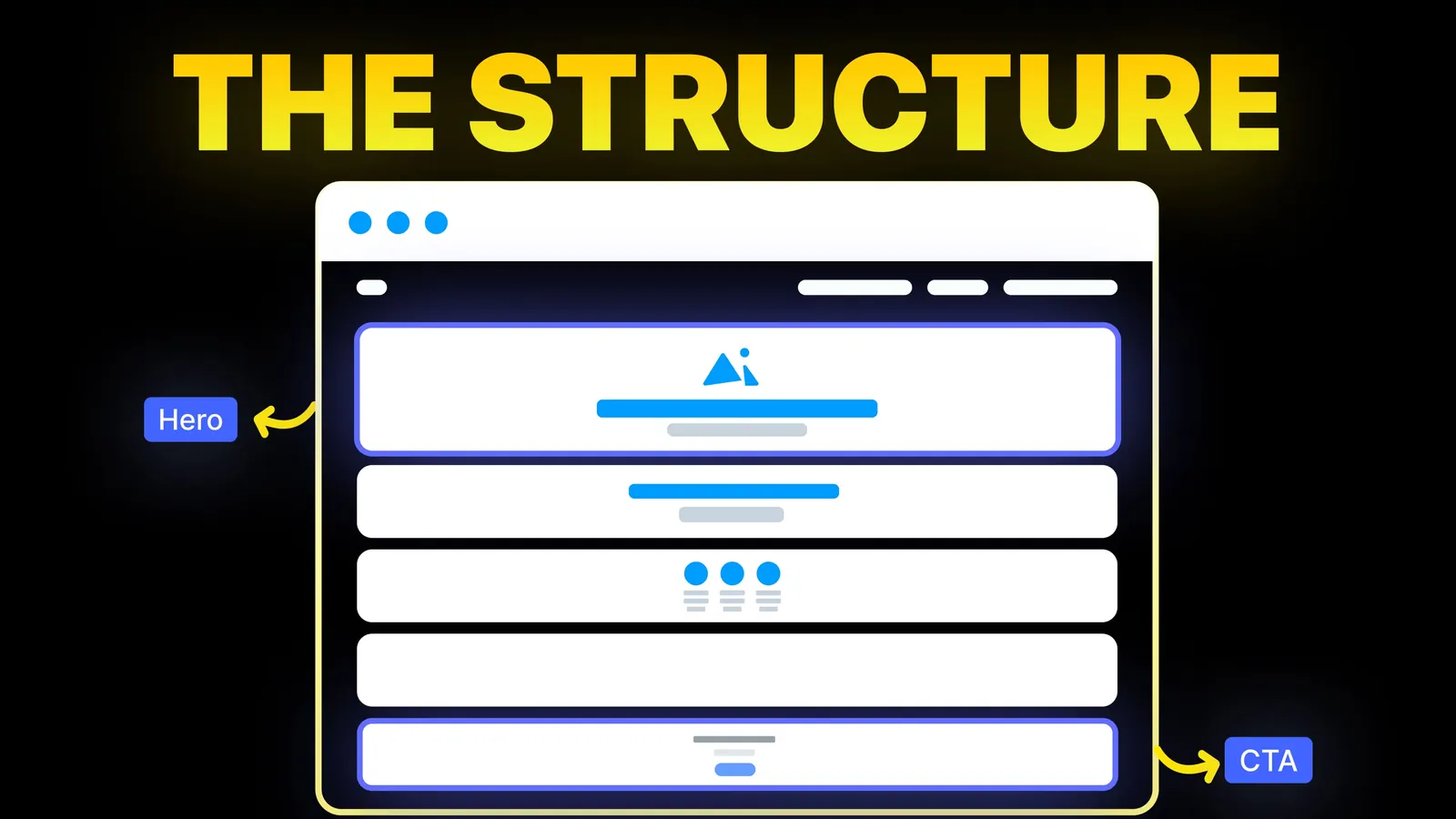
How to Turn Your Website Into a High-Converting Sales Machine
The structure behind a website that sells: the five decisions that carry conversion, the homepage section order, and how to rebuild without losing traffic.
Web Design
Studios publish answers from two weeks to more than a year, so a single number is no use. This guide lays the published ranges side by side, shows what actually stretches a project, and gives you a way to work backwards from the date you need to be live. Ranges read October 2026.
We read these pages in October 2026. The ranges come from different kinds of studio and different kinds of project, so treat them as a spread, not a standard.
| Source | Project type | Published range | Date of page |
|---|---|---|---|
| Skydea | Visual refresh | 2 to 4 weeks | 17 Aug 2026 |
| Skydea | Normal marketing site | 8 to 12 weeks | 17 Aug 2026 |
| Skydea | Complex site | 4 to 6 months | 17 Aug 2026 |
| Cuberto | Focused visual refresh | 4 to 6 weeks | 26 Aug 2026 |
| Cuberto | Small custom marketing site | 1.5 to 2 months | 26 Aug 2026 |
| Cuberto | Corporate or SaaS redesign | 2 to 3 months | 26 Aug 2026 |
| Alkali | Established B2B site, content written by the studio | 6 to 8 weeks | 2 Sep 2026 |
| Sharp Guys Web Design | Most business websites | 8 to 14 weeks | 27 Mar 2026 |
| MillerMedia7 | Small, straightforward site | 4 to 6 weeks | 14 Nov 2025 |
| MillerMedia7 | Full redesign | 8 to 16 weeks | 14 Nov 2025 |
| Clique Studios | Small business, 10 to 20 pages | 8 to 12 weeks | Page read Oct 2026 |
| Clique Studios | Mid-sized, 30 to 75 pages | 12 to 16 weeks | Page read Oct 2026 |
| Clique Studios | Large, 100 or more pages | 16 to 24 weeks | Page read Oct 2026 |
| Three Seven Marketing | All phases added up | 15 to 38 weeks | 21 Apr 2025 |
The Three Seven row is our arithmetic on its published phases: discovery 1 to 4 weeks, strategy 2 to 8, UX design 4 to 8, development 4 to 10, build-out 2 to 4, and quality assurance 2 to 4.
At Amariq, we publish build times on our service pages, counted from an approved design:
| Work | Typical time |
|---|---|
| Landing page | 2 to 3 weeks |
| Marketing website | 3 to 6 weeks |
| CMS-driven site or platform | 6 to 8 weeks |
| Webflow build | 3 to 6 weeks |
| WordPress build | 4 to 8 weeks |
| Shopify theme build | 3 to 7 weeks |
| Ecommerce build | 5 to 10 weeks |
| Focused Framer marketing site | 2 to 5 weeks |
Two things explain why our figures sit at the low end of the table. They count from an approved design, so the discovery and design stages come before them, and they cover a focused site, not a large or complex one. Milestones and a delivery date are agreed before work starts.
Four things move the number far more than the page count:
Studios divide the work differently, but the shape is similar. As one example, Alkali describes an eight week B2B project this way: weeks one and two for diagnosis and positioning, weeks three to five for content and design done together, and weeks six to eight for build, migration and launch. Clique Studios lists discovery and strategy at two to three weeks for a mid-sized site, then information architecture and sitemap, design, development, content and testing.
A plain version for a small business site:
| Stage | What happens | Who holds it up |
|---|---|---|
| Discovery | Goals, audience, structure | You, if the goals are not settled |
| Design | Layouts and visuals, reviewed and approved | Review turnaround |
| Content | Words, photos and proof | Mostly you |
| Build | The site on the platform, with the CMS and forms | The studio |
| Testing | Phones, speed, forms, redirects | The studio, and you for sign-off |
| Launch | Switch the addresses, check, monitor | Both |
A redesign takes your time as well as the studio's. Clique Studios estimates 10 to 15 hours in total for the project sponsor, and 15 to 25 hours for subject matter experts, spread across kickoff, strategy review, design approvals, feedback and testing. A small business has fewer people, and the sponsor and the expert are often the same person, so plan for the upper end of the sponsor figure and a regular weekly slot.
Reviews are the part of the schedule you control. Suppose a project has five review points, such as the structure, two design rounds, the build and the final check:
| Your turnaround per review | Total waiting across five reviews |
|---|---|
| 3 days | 15 days |
| 5 days | 25 days |
| 10 days | 50 days |
The difference between three days and ten is 35 days, which is five weeks. Nothing in the studio's plan changed. Name one decision-maker, book the review slots in the calendar at kickoff, and send consolidated feedback once, not in pieces.
Start from the day you need to be live and subtract:
A worked example, using the upper end of our published range for a marketing website. To launch on Tuesday 2 February 2027, subtract one week of buffer, six weeks of build and two weeks before kickoff. That is nine weeks, so the contract should be signed by Tuesday 1 December 2026. With a four-week pre-kickoff gap, it is Tuesday 17 November 2026. Remember that the design and content stages come before the build, so for a project that starts from the brief, move the signing date earlier by their length.
| Safe | Why it works |
|---|---|
| Have the copy and images ready before the project starts | Content is the most common wait |
| Name one decision-maker | Chained approvals add weeks |
| Run design and content strategy at the same time | Pages are written and designed as pages |
| Cut the scope to the essential pages first | Clique describes a rapid-impact scope of 6 to 10 weeks |
| Launch in phases when the site is large | The first phase goes live sooner |
| Unsafe | What it costs |
|---|---|
| Skipping discovery | Alkali says compressing it is the single most reliable way to make a project late, because each unresolved question becomes a revision round later |
| Skipping staging tests | Bugs reach real visitors |
| Skipping the redirect map | Search traffic can fall after launch |
| Adding scope mid-project | Every addition moves the date |
Our MyEventWiFi build ran in three stages between July and September 2026: the nine-page site first, then payments inside the booking forms, then a three-path onboarding wizard. The payment forms have taken real payments since July, and the wizard went live in September. Phasing meant the client could approve and use each piece before the next began.
For a product company, our five-page SaaS website structure shows which pages to build first.
At Amariq, the first call is about your goals and what is holding the site back, and the proposal that follows sets milestones and a delivery date before work starts. You work directly with the senior designer and developer on your project. Our conversion-focused redesign starts with positioning and structure, and our Webflow migration page covers moves between platforms. If you are not sure the site needs a rebuild, start with the signs a website needs a redesign, and if you are comparing studios, our guide to choosing a web design agency has the questions to ask about timelines.
For a small business marketing site, studios publish roughly 4 to 16 weeks, with 8 to 12 weeks the most common answer. Refreshes are quicker and complex or large sites take months. The biggest factors are how much changes, whether the content is ready and how fast you give feedback.
Clique Studios publishes 8 to 12 weeks for 10 to 20 pages, and Sharp Guys 8 to 14 weeks for most business websites. Our own build times are 3 to 6 weeks for a marketing website, counted from an approved design, with the discovery and design stages before that.
Usually because of waiting, not working. Skydea says reviews make projects slow, Alkali says projects stretch while waiting for content, and Skydea says chained approvals can take weeks per pass. Unplanned migration work, such as the redirect map, adds more.
A visual refresh on the same structure can be, and Skydea publishes 2 to 4 weeks for that. A full redesign with new structure, content and testing rarely can. Skipping discovery, testing or redirects to hit two weeks tends to cost more time later.
Plan two to four weeks between signing and kickoff, according to Clique Studios, for contracts, the deposit and scheduling the team. Add the design and content stages if the project starts from a brief.
Clique Studios estimates 10 to 15 hours in total for the project sponsor and 15 to 25 hours for subject matter experts. In a small business one person often fills both roles, so block a weekly review slot from kickoff.
Work backwards: subtract a week of buffer, the studio's build and testing time, and a two to four week gap before kickoff. For a six week build, a week of buffer and a 2 February 2027 launch, that means signing by 1 December 2026 with a two-week gap.
It can. Our published build times from an approved design are 3 to 6 weeks on Webflow, 4 to 8 on WordPress, 3 to 7 for a Shopify theme, 5 to 10 for ecommerce and 2 to 5 for a focused Framer marketing site. Scope and content readiness matter more than the platform.

The structure behind a website that sells: the five decisions that carry conversion, the homepage section order, and how to rebuild without losing traffic.

Traffic but no enquiries? Here is how to find where visitors drop off, the eight reasons a site stops converting, and a two-week plan to fix it.
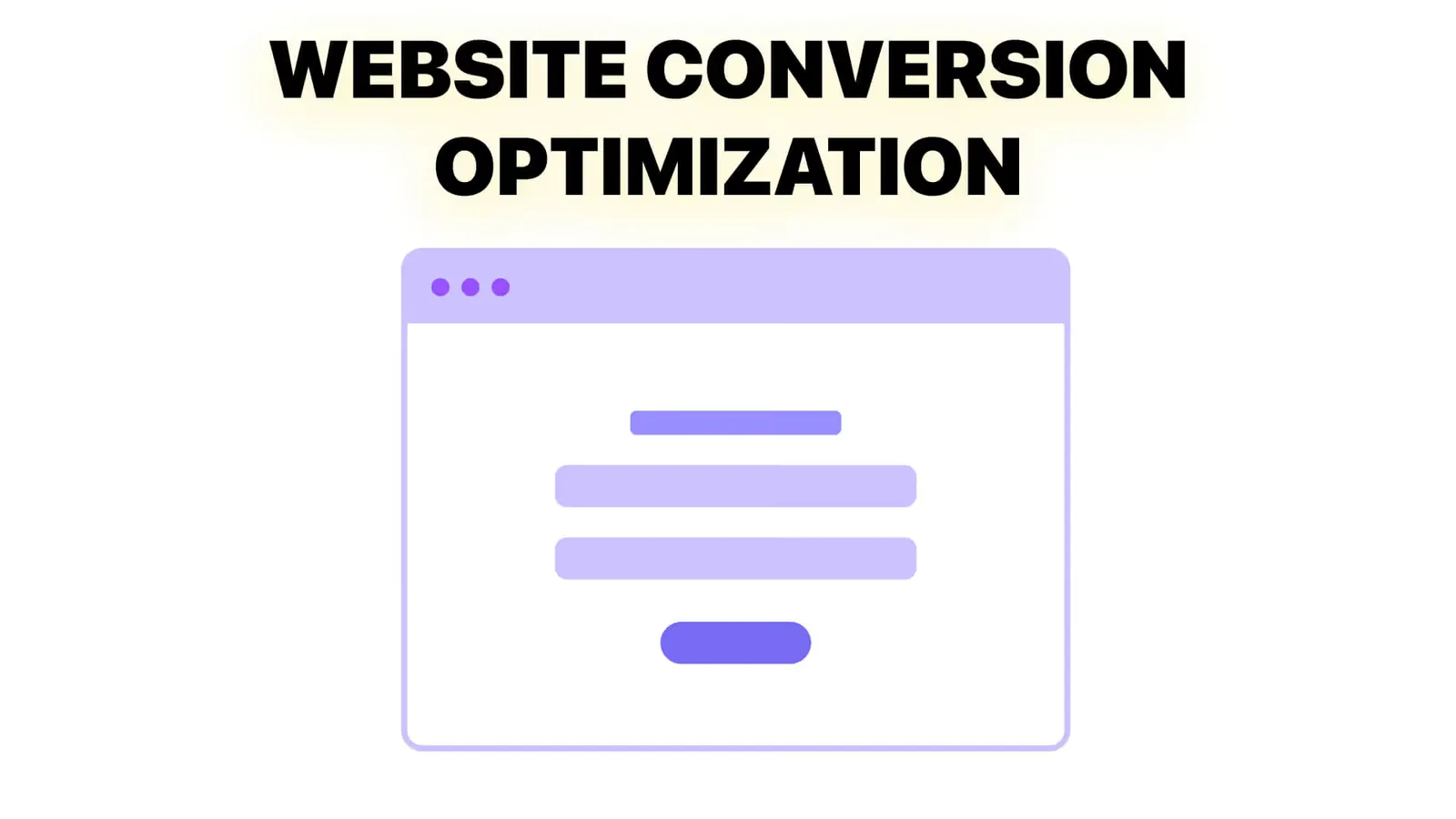
Conversion optimization from zero: what to measure, how to set up tracking, how to choose what to fix first, and how to run a change without fooling yourself.